From verified opportunity to successful delivery
Trade you can check. Deliveries you can prove.
Copperbelt is designing a simpler way to trade across the DRC–Zambia Copperbelt. A buyer asks once. Suppliers offer. AI prepares and compares; people approve. A driver delivers, and the proof stays on record.
DR Congo · Zambia — a proposed platform, in development.
Check: What, where and when. Match: The right supplier, approved. Move: The order, to the gate. Prove: Every delivery.


Why it matters
Big trade. Fragile trust.
DR Congo and Zambia together mine most of the world's cobalt and a large share of its copper. Yet the road from order to delivery is exposed: fake purchase orders, ineligible subcontractors and border queues lasting days have all been documented.

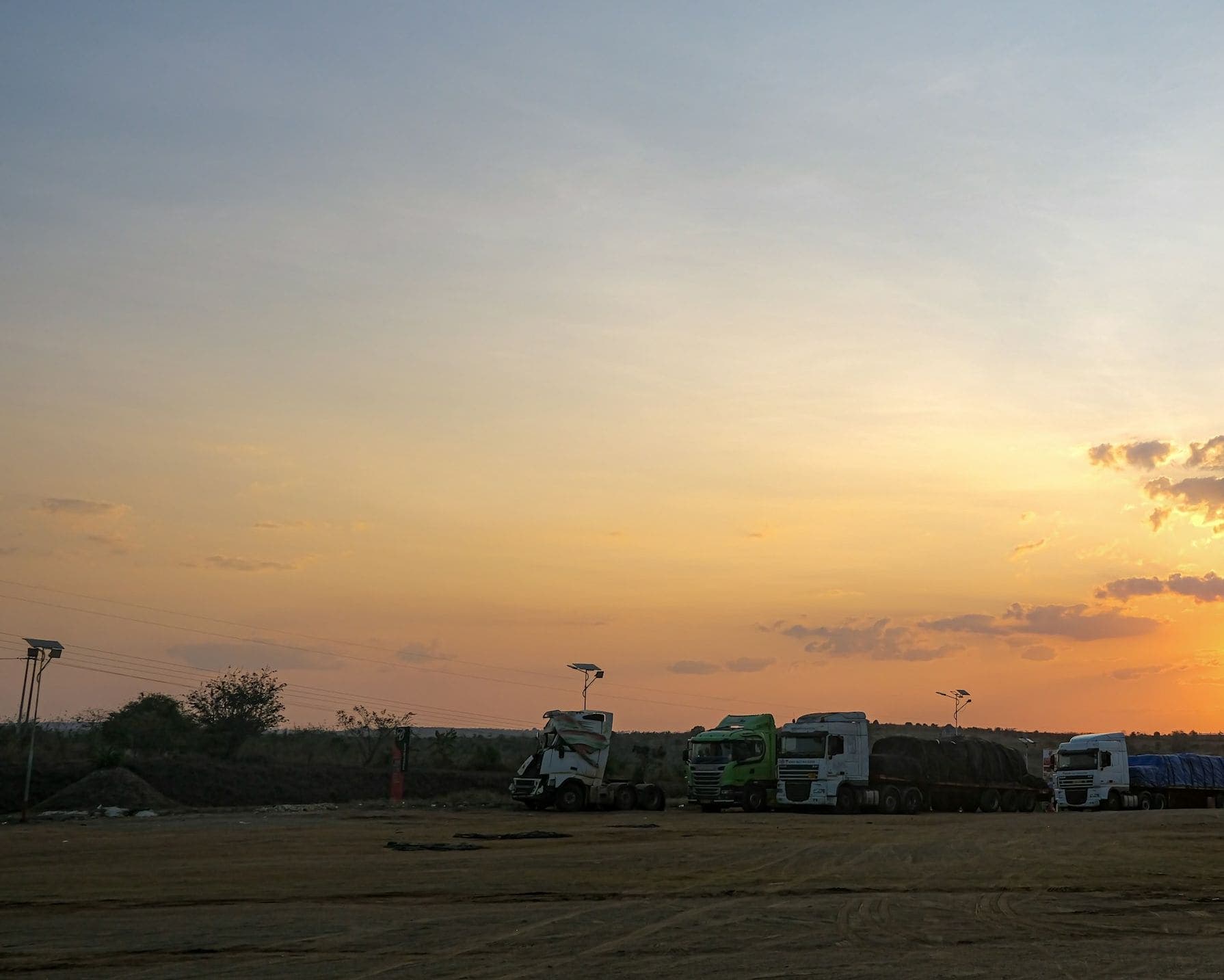
Trucks and container depots on a port-side highway, Dar es Salaam. Illustrative.
On the record
Sources- Companies operating in the region have publicly warned suppliers about fake purchase orders circulated in their name.Company notices, 2025–26
- In 2026 the DRC's subcontracting regulator ordered mining companies to end contracts with subcontractors it found ineligible under the country's subcontracting law.ARSP decisions, 2026
- At Kasumbalesa, the main road crossing between the two countries' copper provinces, truck queues stretching for kilometres and waits of several days have been repeatedly reported.SADC · ECDPM · Reuters
- Zambia's mining local-content regulations, in force since January 2026, require mines to direct a growing share of procurement to local suppliers.Zambia SI 68 of 2025
The problems people run into
- 01
Each buyer checks the same supplier again, from scratch, by email and spreadsheet.
- 02
Once a truck leaves the yard, the buyer is largely in the dark until something goes wrong.
- 03
When a delivery is disputed, the evidence is spread across phones and inboxes.
How it would work
One order, from request to proof.
Ten steps in four stages: Check, Match, Move and Prove. Each step would add a dated entry to one record that the buyer, supplier, driver and reviewers all share.
Check
The buyer asks, and the software prepares the request.

01 / 10
The buyer sends a request
A mining operator says once what it needs, where it must arrive and by when — with any drawings or documents — instead of starting another email chain.
Added to the shared recordRequest receivedWhat · where · when
02 / 10
AI agent 1 prepares it
The first AI agent structures the request, asks for anything missing and picks out the suppliers whose capabilities and locations fit.
Added to the shared recordRequest structuredGaps closed · suppliers picked
Match
Suppliers offer, the software compares, and people approve the best match.
03 / 10
Suitable suppliers are invited
Only suppliers who could deliver see the opportunity. The exact delivery site stays private until a deal is approved.
Added to the shared recordOpportunity sharedSuitable suppliers · general area only

04 / 10
Suppliers make offers
A supplier answers only where it can deliver: price, availability, lead time, specifications and the company documents the deal requires.
Added to the shared recordOffers receivedPrice · lead time · documents
05 / 10
AI agent 2 compares the offers
The second AI agent checks that every offer is complete, compares it with the request and flags missing or inconsistent documents. It explains its shortlist; it does not decide.
Added to the shared recordShortlist readyGaps flagged · reasons shown
06 / 10
People approve the match
Buyer and supplier hear that a match has been found. The review team checks the evidence, calls both sides to confirm price, quantity and timing, then approves, asks for more or rejects — and the decision is recorded with who made it and why.
Added to the shared recordDeal approvedBy a named reviewer · reasons recorded
Move
A driver is assigned and collects the goods.
07 / 10
A driver is assigned
The review team assigns a driver by pickup point, destination, availability and cargo. Only now is the exact delivery site shared.
Added to the shared recordDriver assignedPickup · destination · time

08 / 10
The driver collects the goods
At the supplier’s yard the driver checks the goods against the order, takes a photo and logs the pickup — so nobody has to call to ask whether it left.
Added to the shared recordPickup confirmedPhoto · time · quantity
Prove
Delivery is confirmed, and the proof stays on record.
09 / 10
Delivered to the buyer’s gate
Updates are sent along the way — queued when there is no signal — and any delay or damage is reported with a photo. At the gate, the buyer confirms receipt.
Added to the shared recordDelivery confirmedReceipt · photo · place
10 / 10
Proof goes back into the record
Proof of delivery joins the order’s record with every update and decision. Each party is told what its role allows, and the next order starts from a track record.
Added to the shared recordProof on recordHistory updated · next check faster
AI, with people in charge
AI prepares. People decide.
The AI agents structure, compare and explain. People check the evidence and approve every deal — the AI never proves a document is genuine, signs a contract or releases a payment.
A person makes the decision
Accountable, authorised people decide. The platform reads, compares and flags — and shows its work so they can check it.
A score is a summary, never an approval
A high score summarises the evidence. It never approves anything, and it is never proof on its own that a document is authentic.
Missing evidence is never a pass
Gaps lower confidence and are routed for follow-up. They are never quietly scored as acceptable.
No automatic commitments
No score authorises a payment, a contract, credit or any other financial commitment automatically.
Who it is for
Pick your seat at the table.
Everyone on a deal sees the same record — but each role needs something different from it. Here is what would change for you.

Know who you're dealing with before you commit.
- Post a requirement once and see which applicants are verified
- Read one evidence-linked file instead of repeating checks by email
- Follow approved orders to the gate, with proof when they arrive
Prove what you can do once — and keep the credit for it.
- One verified profile, reused across opportunities
- Clear requirements and acceptance criteria up front
- A track record that grows with every delivery

Clear jobs, fewer disputes, proof of every drop.
- Jobs, routes and documents on the phone you already own
- Milestones and delays reported in a few taps, designed for patchy signal
- Photo, signature and location locked to the order at handover
Decide on evidence you can check for yourself.
- Every finding linked to the page and field it came from
- Files routed to the right person: ready, needs information, or escalate
- Your decision and its reasons recorded for audit

Help choose the first corridor and shape the standards.
- Pilot the approach on a real, limited route
- Shape verification criteria and evidence standards
- Test the assumptions behind the model in real conditions
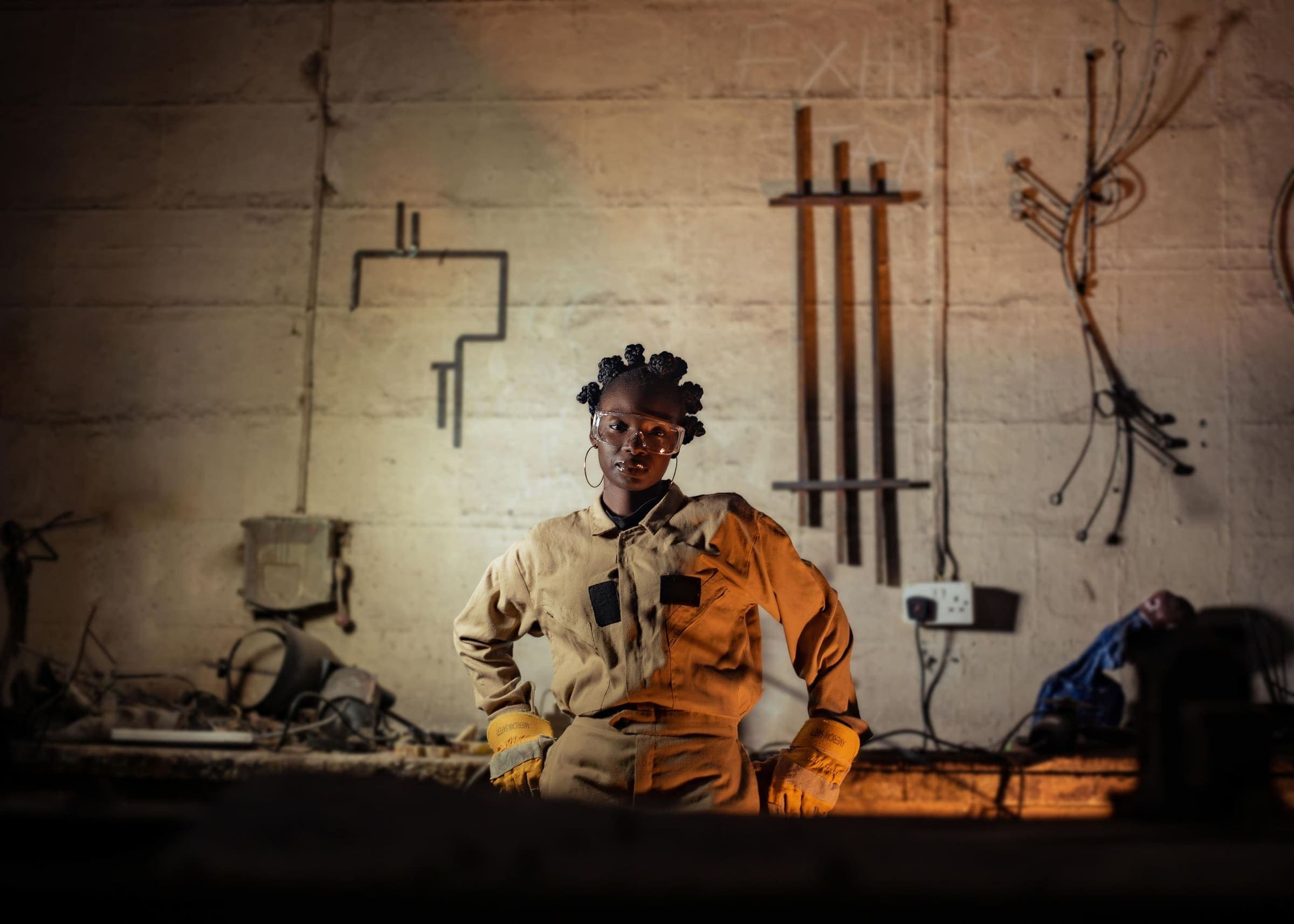
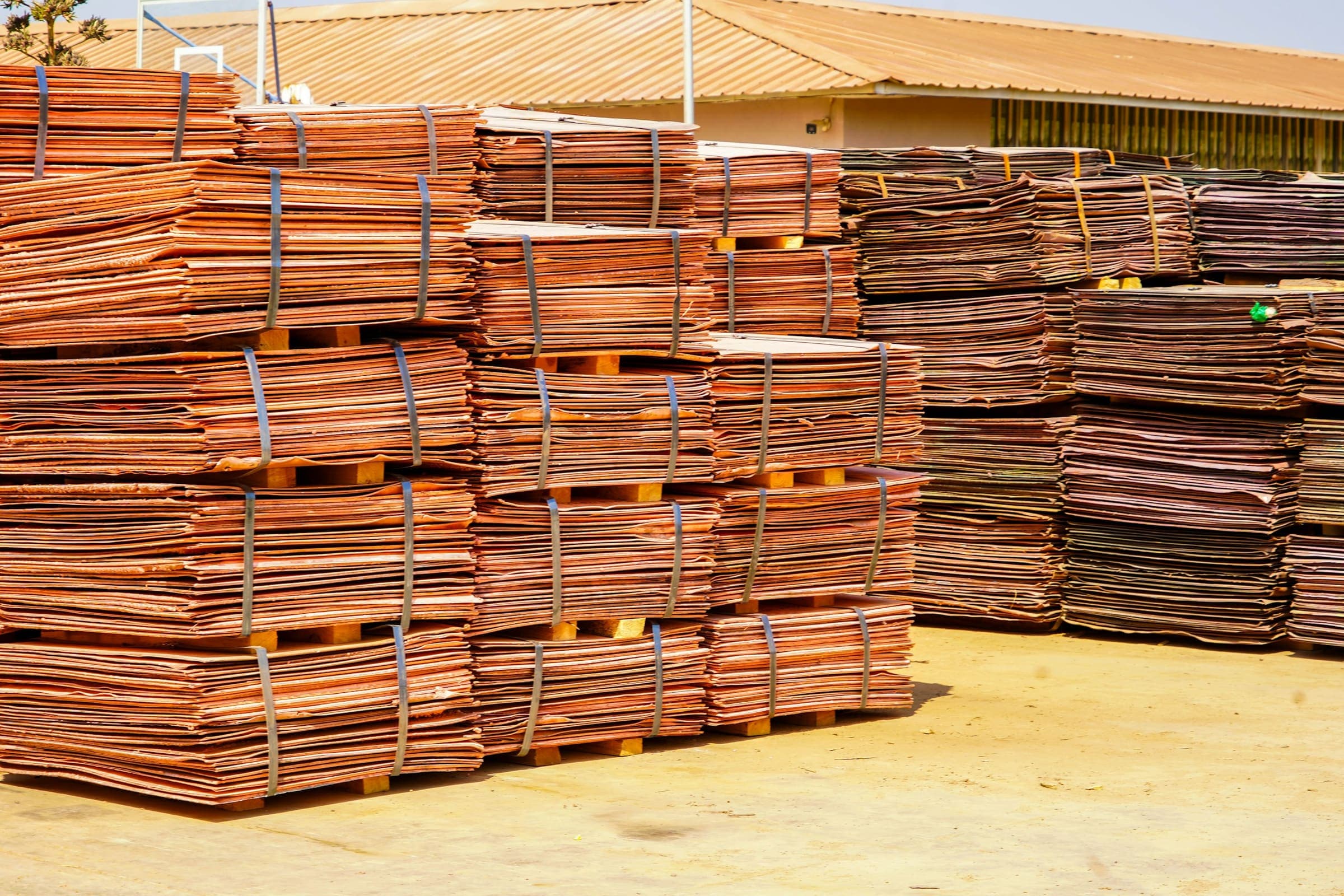
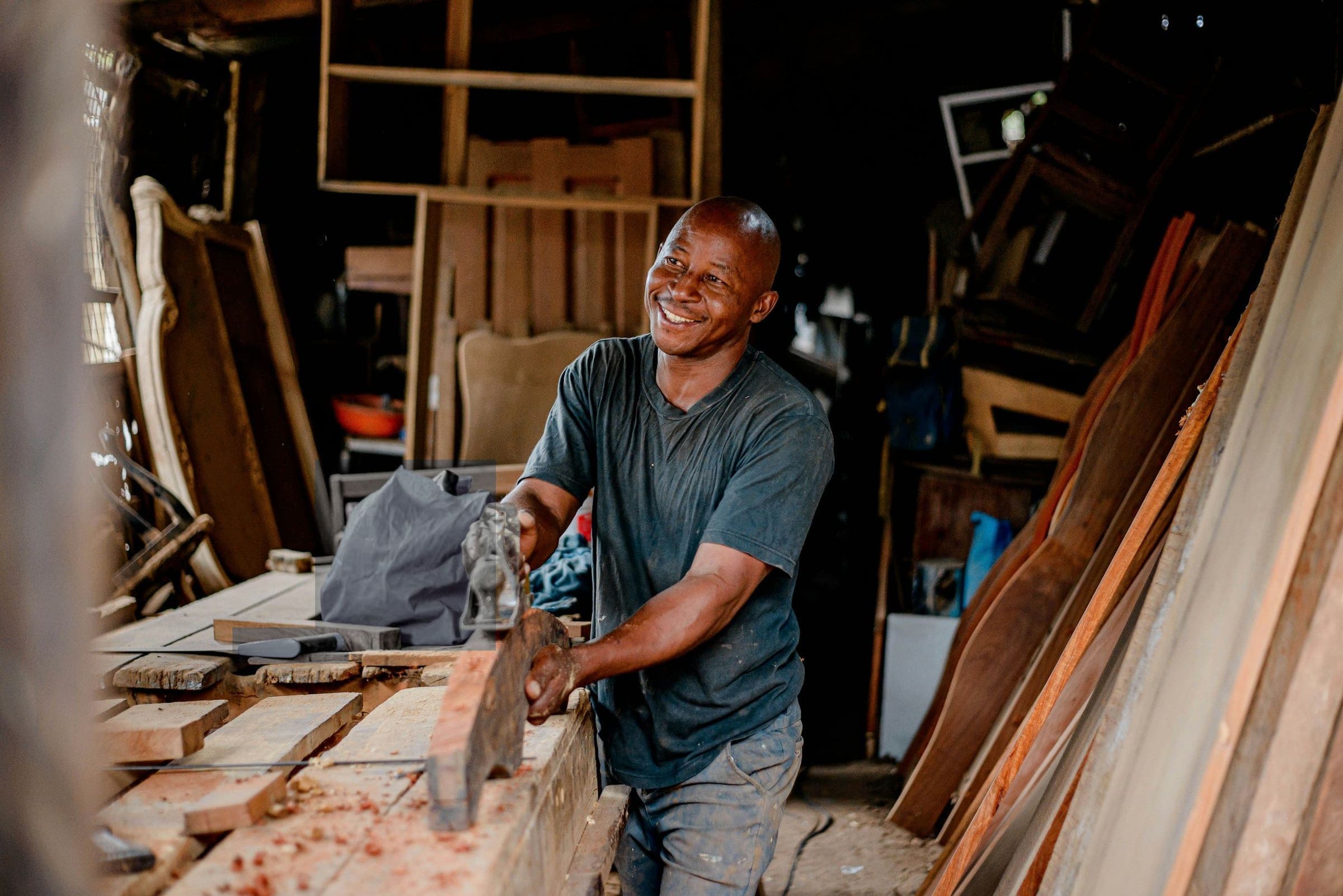
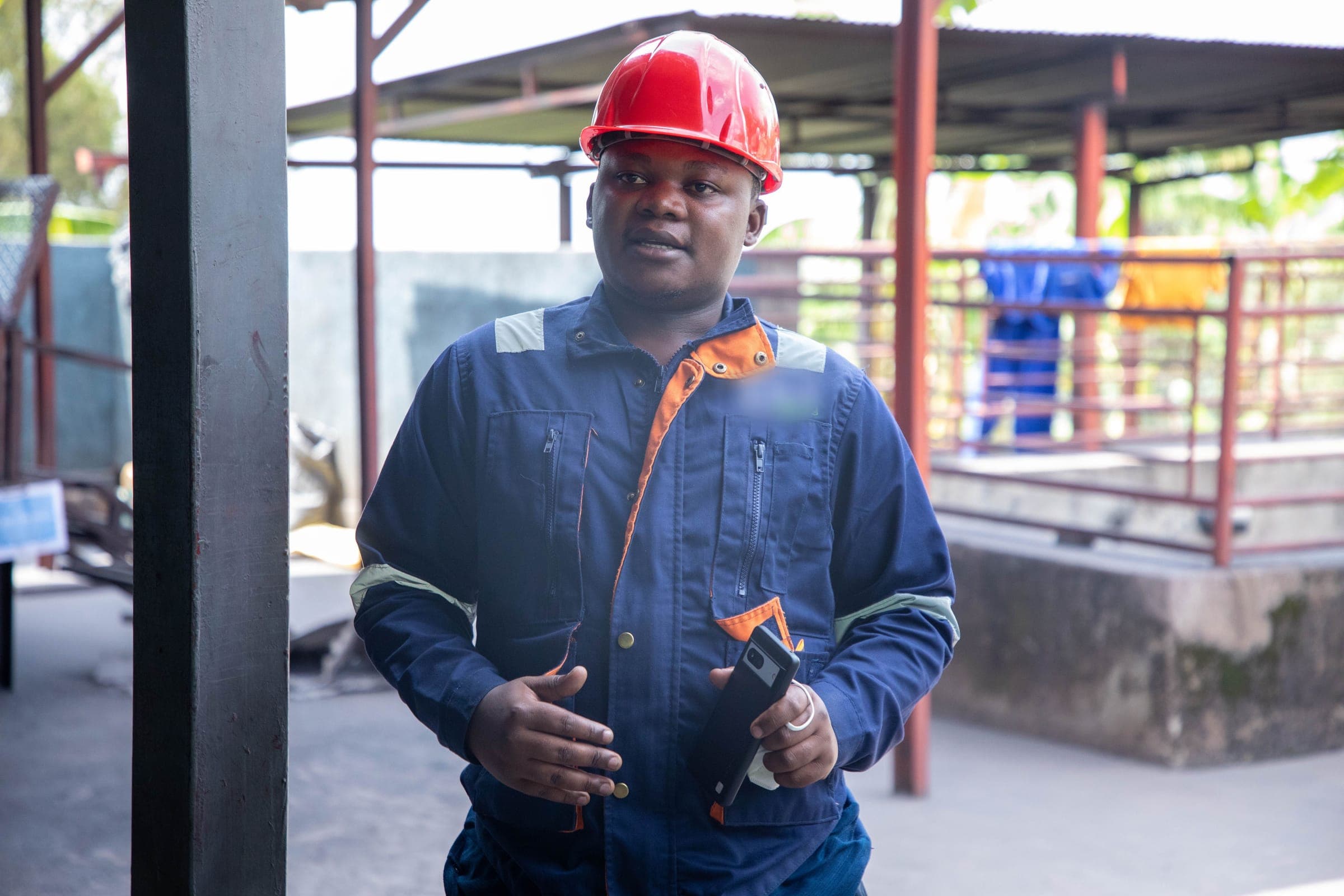
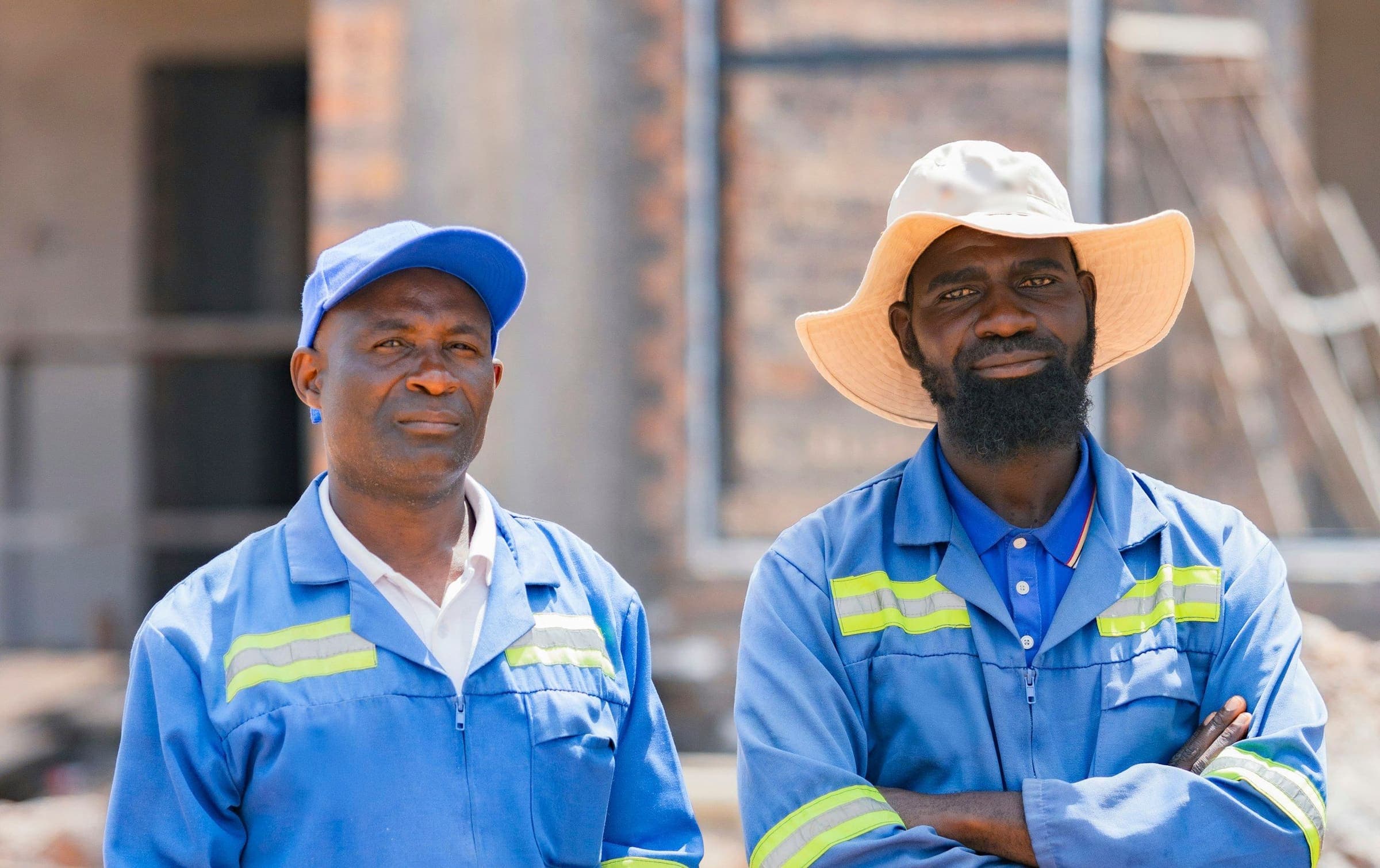
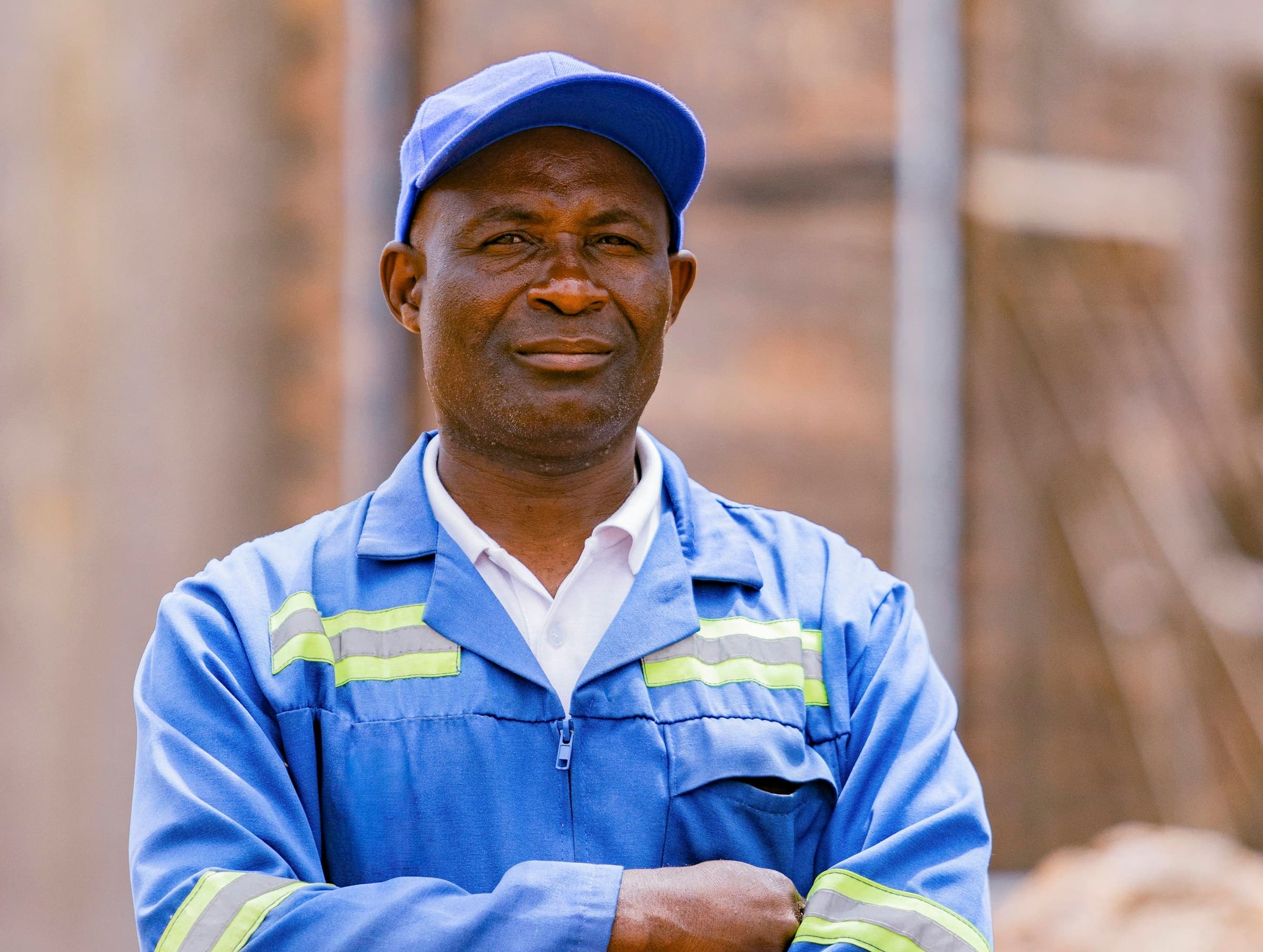
Describes how the proposed platform is intended to help. Not existing customers or partners; people in photographs are not Copperbelt staff or clients.
Where it starts
Rooted where copper moves.
The Central African Copperbelt straddles the border between Zambia and the Democratic Republic of the Congo. The U.S. Geological Survey describes it as the greatest sediment-hosted copper-cobalt province in the world.
- 01One belt, two countriesFrom Kolwezi and Lubumbashi in the DRC to Chingola, Kitwe and Ndola in Zambia — one copper region across a border.
- 02One pressure pointKasumbalesa, the main road crossing, where long queues and multi-day waits have been repeatedly reported.
- 03Many roads to the seaCorridors to Dar es Salaam, Durban, Walvis Bay — and Lobito on the Atlantic, now being developed.
- DR Congo mined copper in 2024 — the world's second-largest producer, after Chile
- ~3.0 Mt
- Zambia mined copper in 2024
- ~820 kt
- DR Congo's estimated share of world mined cobalt in 2025
- ~73 %
U.S. Geological Survey, Mineral Commodity Summaries 2026
Where we are
Built one stage at a time. This website is the first.
- Stage 1Public websiteWe are here
- Stage 2Request intake & offersPlanned
- Stage 3AI analysis & reviewPlanned
- Stage 4Driver workflow & proofPlanned
- Stage 5Richer visibilityLater
Get involved
Help shape the first corridor.
The route, the commodity and the standards for evidence will be chosen with the businesses that would use them. If that is you, we would like to hear from you as the next stages open.
Applications
Not open yet. Register your interest in the meantime.